



Frostbite Dispensary in Roseville is open daily through the holidays with a full menu that works whether you're shopping for yourself or picking something up for someone else.

If you drive Highway 36, you've driven past Frostbite Dispensary — or close enough that stopping wouldn't add more than a few minutes to your trip.
This guide covers how Minnesota cannabis consumers are using cannabis to navigate the long season — from sleep and stress to pain and socializing.
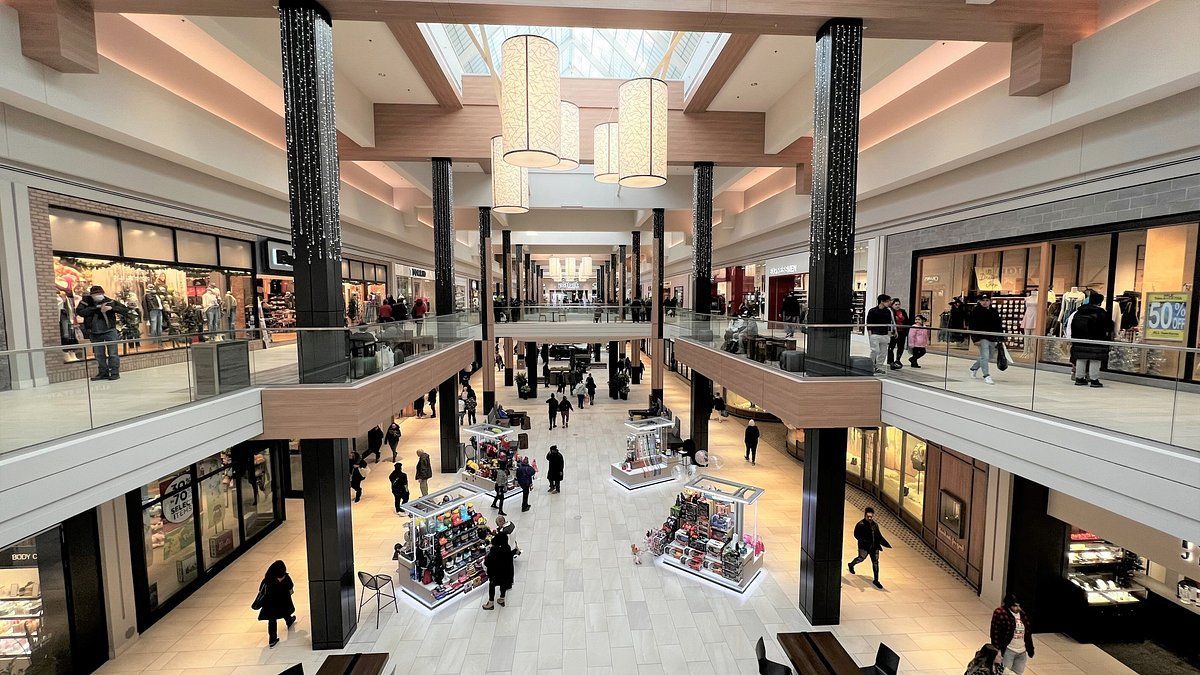
If you're at or near Rosedale Center in Roseville — whether you're shopping, working nearby, or just driving through on Snelling Avenue — Frostbite Dispensary is the closest licensed cannabis dispensary to the mall. We're less than a mile from Rosedale Center's main entrance, open daily from 10AM to 8PM, and carry a full menu of OCM-licensed flower, edibles, vapes, prerolls, concentrates, beverages, and accessories. This page covers everything you need to know about cannabis shopping near Rosedale Center in Roseville, MN. How Close Is Frostbite to Rosedale Center? Frostbite Dispensary is located at 2218 County Rd D West, Suite 200 — approximately 0.8 miles from Rosedale Center's main entrance on Snelling Avenue. The drive takes under 3 minutes under any normal traffic conditions. From the mall parking lot, you can reach us via: Snelling Ave North to County Rd D West (turn left/west) — the most direct route Highway 36 West to Cleveland Ave or Hamline Ave, then north to County Rd D Free parking is available directly adjacent to our suite. No meters, no ramps, no circling. Get directions from Rosedale Center → Why Frostbite Is the Go-To Dispensary Near Rosedale Closest licensed dispensary to the mall. Frostbite is the nearest OCM-licensed adult-use cannabis dispensary to Rosedale Center. When you're already in Roseville and want to add a dispensary stop to your trip, we're the obvious choice — not a detour, just around the corner. Full menu across all categories. Flower, prerolls, vapes, edibles, concentrates, beverages, topicals, and accessories — all in one location, with online ordering available before you arrive. Browse frostbitedispensary.com/shop from the mall and have your order ready when you walk in. Minnesota-grown cannabis. Frostbite was the first non-tribal dispensary in Minnesota to sell locally grown, non-tribal cannabis flower — from Greenest Pastures and other licensed Minnesota cultivators. We stock brands grown right here in the state, including Dizgo Collective, Campfire Cannabis, Native Cuts, Unbound, Minny Grown, Avion Supply Co., and others. Cashless debit checkout. No ATM run required before your visit. We accept debit card payments with no surcharge, plus cash. Daily rewards points. Members of our loyalty rewards program earn points on every in-store purchase. If you're a regular customer, signing up at frostbitedispensary.com/join-rewards takes two minutes and your points start on your next purchase. Daily deals. We run rotating deals on different product categories throughout the week. Check frostbitedispensary.com/daily-deals before you come in — especially useful if you're flexible about what you're buying. About Rosedale Center and the Roseville Cannabis Market Rosedale Center is one of the largest enclosed shopping malls in the Twin Cities metro, anchored by major retailers and surrounded by a dense commercial corridor along Snelling Avenue and Highway 36. The Roseville/Rosedale area draws shoppers from across the north metro — Maplewood, Shoreview, Arden Hills, Little Canada, New Brighton, and beyond — which means it's a natural hub for adjacent services including cannabis retail. Roseville has emerged as one of the more cannabis-accessible inner-ring suburbs in the Twin Cities. As a city, it's centrally located between Minneapolis, St. Paul, and the north metro suburbs, sits at a major highway intersection (Highway 36, I-35W/E, I-694), and has become a destination for shoppers from communities that don't yet have a licensed dispensary within their own city limits. If you're driving to Rosedale from Maplewood, Shoreview, Arden Hills, Little Canada, or New Brighton, adding a Frostbite stop to your trip means leaving Roseville with everything you came for — including your cannabis. What to Expect at Frostbite Walk-ins welcome. No appointment, no membership required. Show valid government-issued ID (21+) at the door and you're in. Online ordering for pickup. Browse the menu and place an order before you leave the mall — we'll have it ready when you arrive. No waiting in line for browsing time. Knowledgeable budtenders. Our team is trained to help at every experience level — first-timers who need everything explained and regulars who know exactly what they want. Questions are always welcome. Quick trips are easy. If you know what you want, the in-and-out time at Frostbite is fast. Place an order online, drive over from Rosedale, show your ID, pick up your order, done. Under 10 minutes from parking lot to parking lot. Combining a Rosedale Trip with Frostbite Here are some common itineraries for Roseville shoppers: Mall shopping + dispensary stop. Finish your Rosedale shopping, hop on Snelling Ave northbound, turn west on County Rd D. We're 3 minutes away. Add cannabis to the trip without backtracking or adding significant time. Dinner + dispensary. The Rosedale corridor has a wide range of restaurants — before or after dinner, Frostbite is a convenient addition for residents heading back north toward Shoreview, Arden Hills, or Little Canada. North metro residents passing through. If you're driving through Roseville on your way to or from Minneapolis or St. Paul via Highway 36, Frostbite is directly off the corridor. No significant detour required. Can I Order Cannabis for Delivery Near Rosedale? Yes. If you'd rather not make the trip, Frostbite offers cannabis delivery to Roseville addresses and surrounding communities including Little Canada, Maplewood, Arden Hills, and Shoreview. Enter your address at frostbitedispensary.com/shop/delivery-check/ to confirm eligibility and place a delivery order. Visit Us Frostbite Dispensary 2218 County Rd D West Suite 200, Roseville, MN 55112 Open Daily: 10AM – 8PM (651) 440-9991 | info@frostbitedispensary.com Browse the menu → Get directions → Check delivery eligibility → Join rewards → Frequently Asked Questions: Dispensary Near Rosedale Center, Roseville MN What is the closest dispensary to Rosedale Center in Roseville? Frostbite Dispensary is the closest licensed cannabis dispensary to Rosedale Center, located approximately 0.8 miles from the mall's main entrance on Snelling Avenue. The drive takes under 3 minutes via Snelling Ave North to County Rd D West. Frostbite is at 2218 County Rd D West, Suite 200, Roseville, MN 55112, open daily from 10AM to 8PM. Is there a cannabis dispensary near Rosedale Center in Roseville, MN? Yes. Frostbite Dispensary in Roseville is directly accessible from Rosedale Center — less than a mile away via Snelling Avenue. It carries a full menu of OCM-licensed adult-use cannabis products including flower, edibles, vapes, prerolls, concentrates, and beverages. Do I need a medical card to buy cannabis near Rosedale Center? No. Any adult 21 or older with a valid government-issued ID can purchase cannabis at Frostbite Dispensary in Roseville. Minnesota's adult-use recreational cannabis program does not require a medical card. What are the hours of the dispensary near Rosedale Center? Frostbite Dispensary is open daily from 10AM to 8PM, seven days a week including weekends. Does the dispensary near Rosedale accept debit cards? Yes. Frostbite Dispensary offers cashless debit checkout with no additional surcharge. Cash is also accepted, and ATMs are available on-site. Can I order cannabis for delivery near Rosedale Center in Roseville? Yes. Frostbite Dispensary offers cannabis delivery to Roseville and surrounding north metro communities. Check your address eligibility at frostbitedispensary.com/shop/delivery-check/. What cannabis products can I buy near Rosedale Center? Frostbite Dispensary carries a full menu of licensed adult-use cannabis products including flower, prerolls, vapes, edibles, concentrates, beverages, topicals, and accessories. All products are OCM-licensed and lab-tested. Browse the full menu at frostbitedispensary.com/shop.

This guide covers the science behind cannabis and creativity, the strains and product types worth exploring, and how to approach dosing when your goal is to think better rather than just get high.
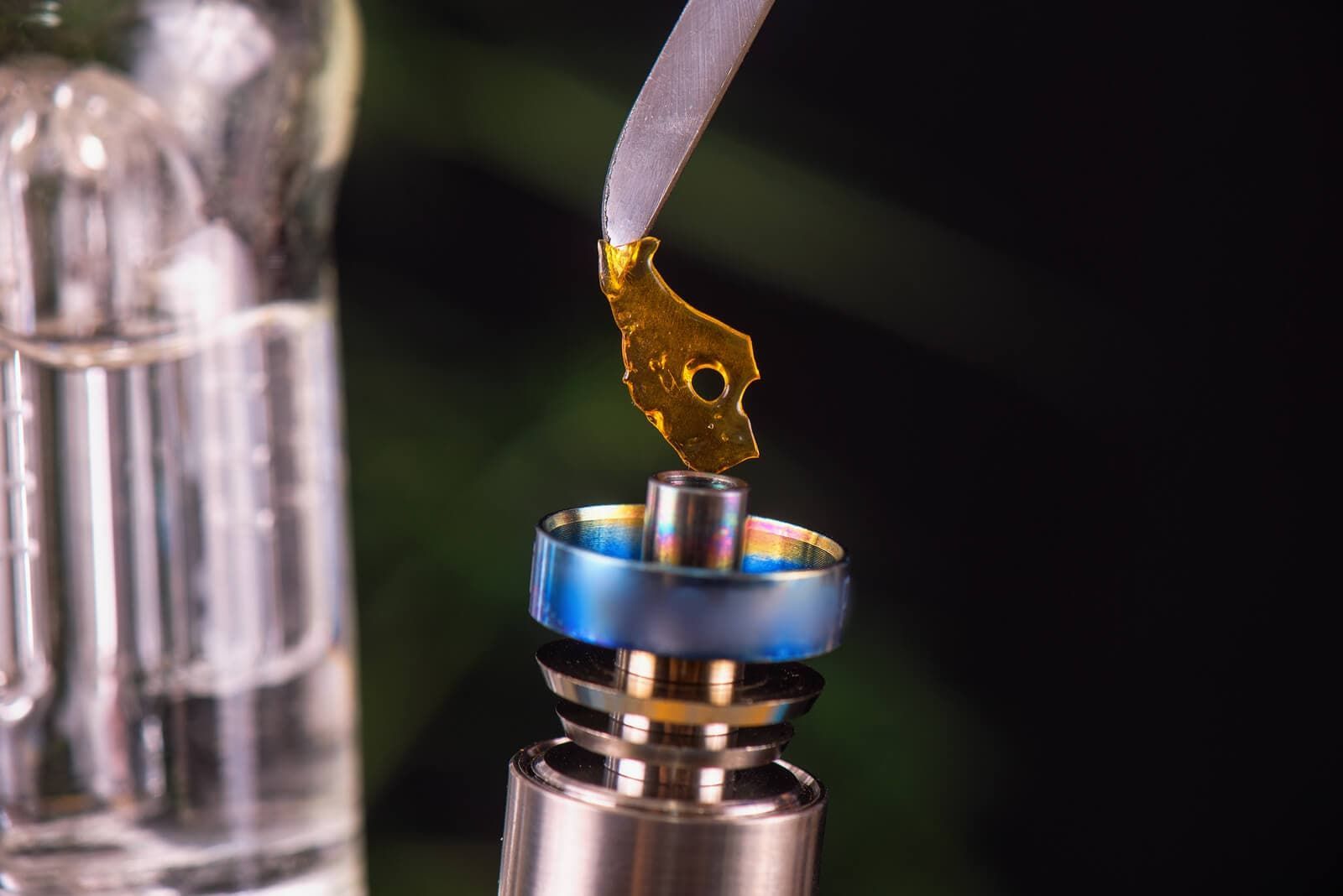
Concentrates are the most potent, most misunderstood, and — for experienced consumers — often most rewarding category in the cannabis store

This guide covers everything you need to know about saving money on weed at Frostbite Dispensary in Roseville.

This guide covers everything a Minnesota cannabis shopper needs to know about edibles — what's available, how they work, how they differ from other formats, how to dose them correctly, and how to choose between gummies, chocolates, beverages, and other options on our Roseville menu.

This guide covers what the research actually says about cannabis and pain, which products and cannabinoid profiles tend to be most effective, how to dose responsibly, and what to tell a Frostbite budtender so you leave with something worth trying.
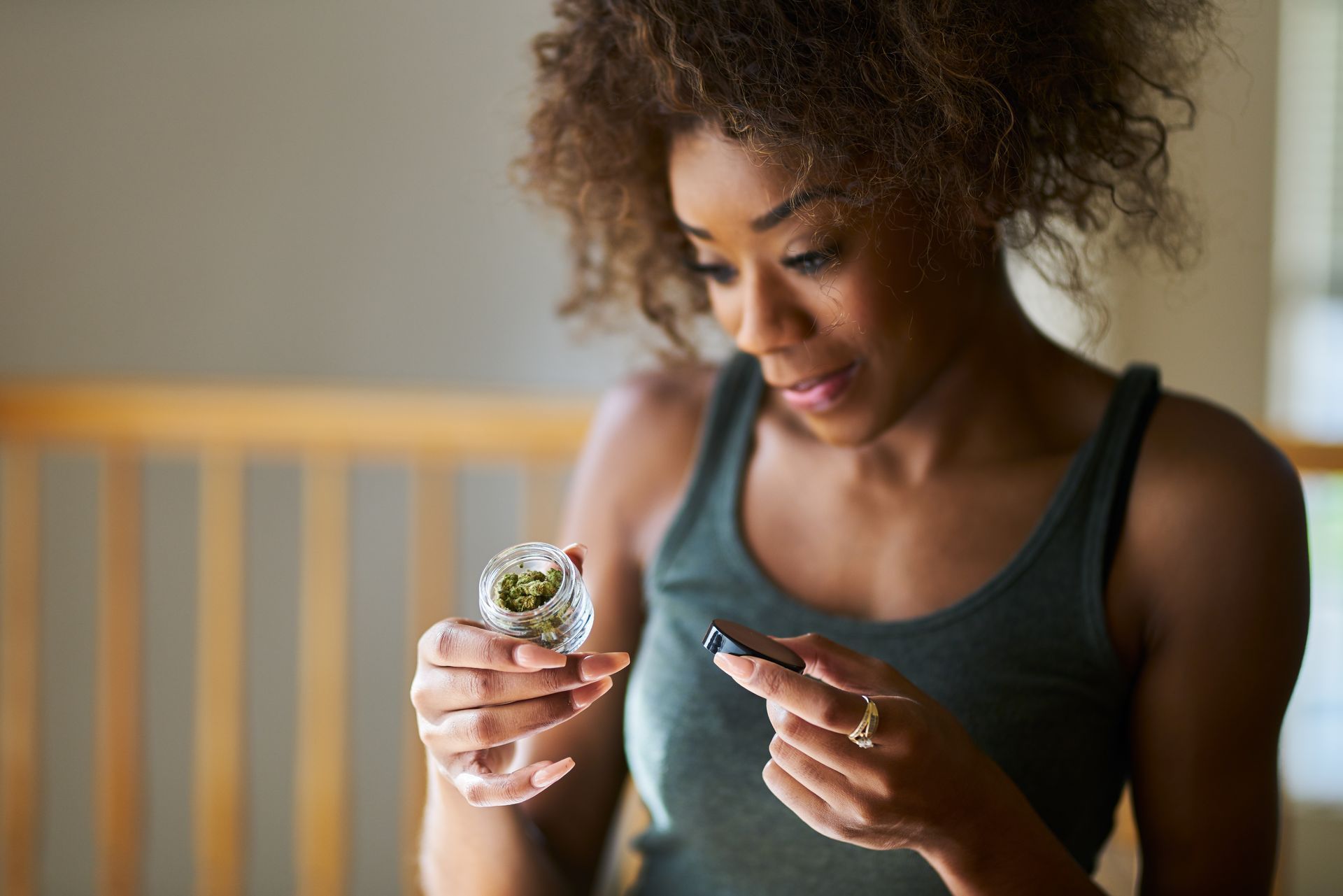
This guide walks through every element of a Minnesota cannabis product label in plain English — so the next time you're standing at the counter at Frostbite (or shopping our menu online), you know exactly what you're looking at.
