

How to Store Cannabis the Right Way: A Guide for Minnesota Shoppers

You spent real money on that cannabis. The last thing you want is to open the jar a week later and find flower that smells like hay, gummies that have gone hard at the edges, or a vape cart that's mysteriously gone dark and lost half its flavor. Improper storage is one of the most common reasons cannabis degrades faster than it should — and it's entirely avoidable with a few simple habits.
Minnesota's climate adds an extra layer of complexity. Dry winters pull moisture out of everything, while humid summers can tip the balance the other way. Whether you're storing a few grams of flower, a bag of gummies, or a handful of vape carts, knowing what each product type actually needs will help you get the most out of every purchase from Frostbite.
1. Storing Flower: The Basics That Actually Matter
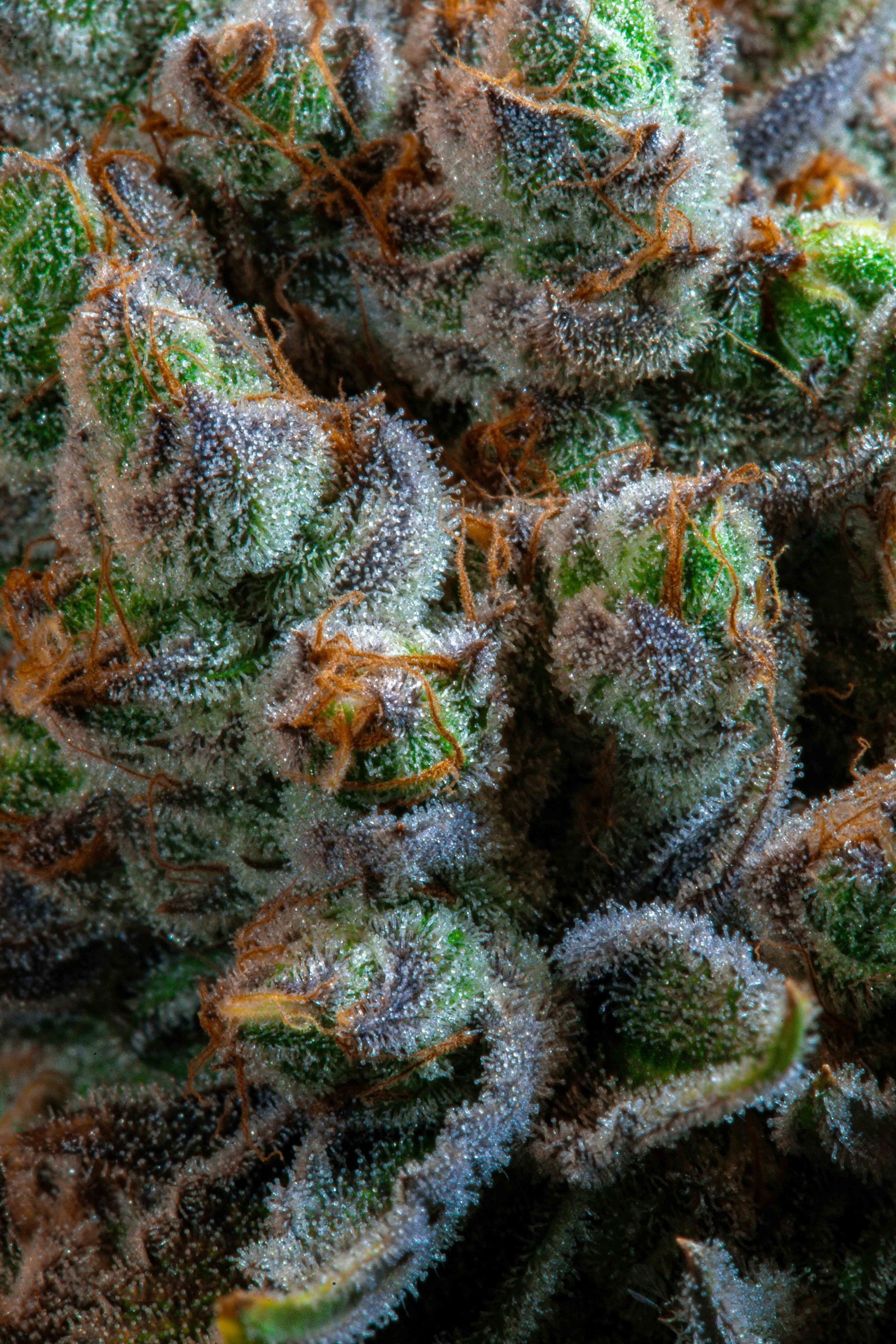
Cannabis flower has four main enemies: light, heat, air, and humidity swings. UV light degrades cannabinoids and terpenes faster than almost anything else, which is why well-made dispensary packaging is usually opaque. At home, keeping your flower out of direct sunlight is one of the highest-impact things you can do. A cupboard, drawer, or dedicated storage container goes a long way.
Temperature matters more than most people realize. Ideal flower storage is in the 60 to 70 degree Fahrenheit range. Heat accelerates the degradation of THC and dries out terpenes, which are the compounds responsible for aroma, flavor, and a lot of the nuance in a strain's effect. Storing flower on top of the refrigerator — a surprisingly common spot — exposes it to consistent heat from the appliance motor. Same goes for a shelf above the stove or near a heat vent.
Humidity is the trickiest variable in Minnesota's climate. Flower stores best at 55 to 65 percent relative humidity. Too dry and the trichomes become brittle, the smoke gets harsh, and the terpene profile flattens out. Too humid and you're risking mold, which can develop even in sealed containers if the initial moisture content is high enough. Boveda or Integra humidity packs — available at Frostbite — are a cheap, effective solution that maintain a consistent RH level inside whatever container you're using.
Shop our Flower in the Twin Cities
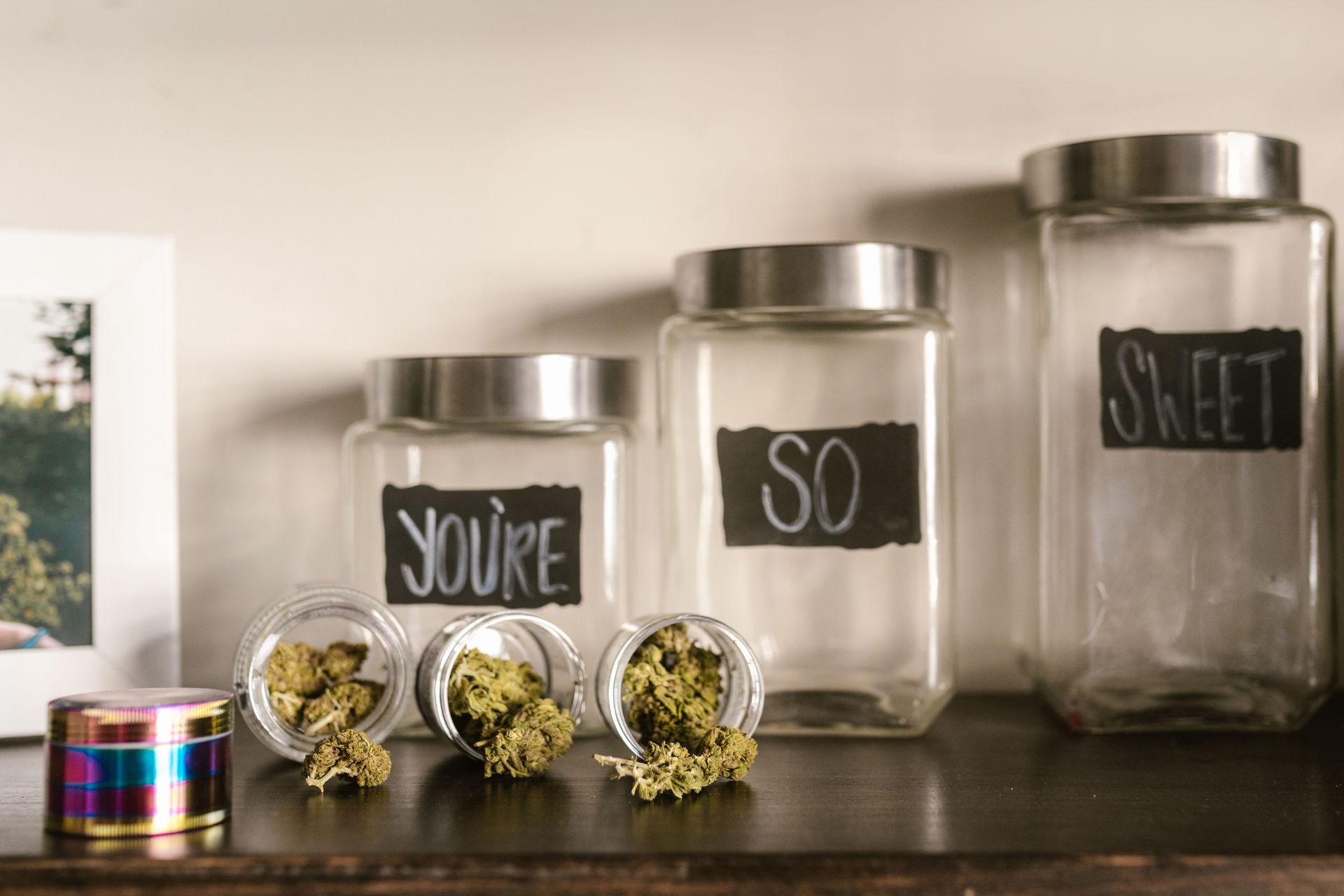
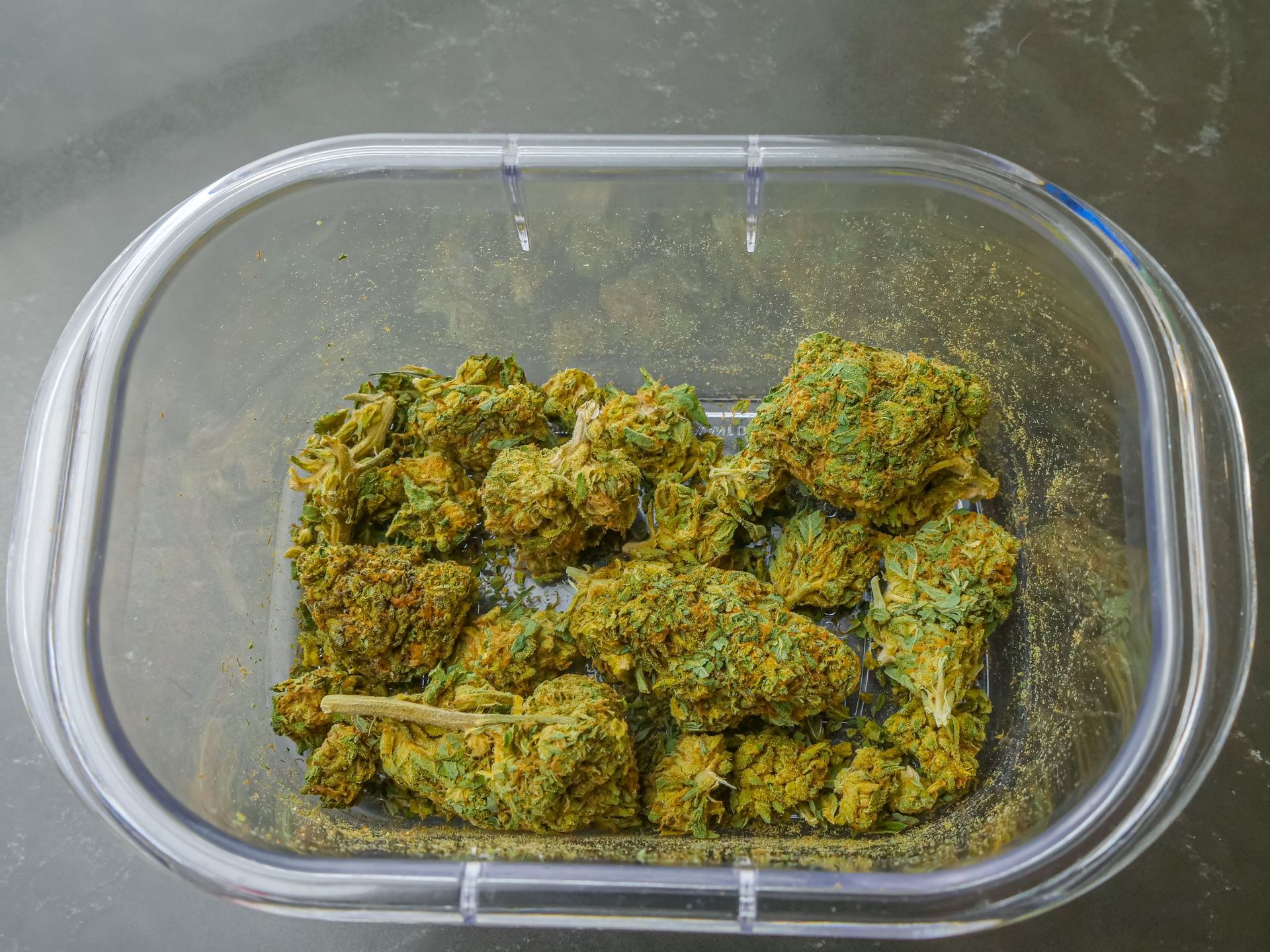
View AllFor containers, airtight glass jars are the gold standard. Mason jars work well, though they're clear — wrap one in a paper bag or store it somewhere dark. Smell-proof bags are better than leaving cannabis in its original paper packaging, but they're not as effective at maintaining humidity levels as a jar with a humidity pack. Plastic bags and cheap plastic containers can impart off-flavors over time and don't protect against humidity fluctuations.
2. Storing Edibles and Beverages
Edibles behave much more like food than flower does, and they should be stored accordingly. Gummies are shelf-stable in cool, dry conditions — a cupboard or drawer at room temperature works fine for most products. What you're trying to avoid is heat, which can cause gummies to melt and re-solidify in a clumped mass, and prolonged exposure to air, which dries out the outer texture over time. Keep them in their original packaging or an airtight container and they'll hold up well for the duration of their labeled shelf life.
Chocolate edibles are more temperature-sensitive. They can bloom — develop a white, chalky surface coating — when exposed to temperature swings. This doesn't affect potency, but it changes the texture and appearance. Storing chocolate edibles in a cool, consistent spot (or in the refrigerator for longer-term storage) prevents this. If you refrigerate cannabis chocolates, let them come to room temperature in their sealed packaging before opening to prevent condensation from forming on the surface.
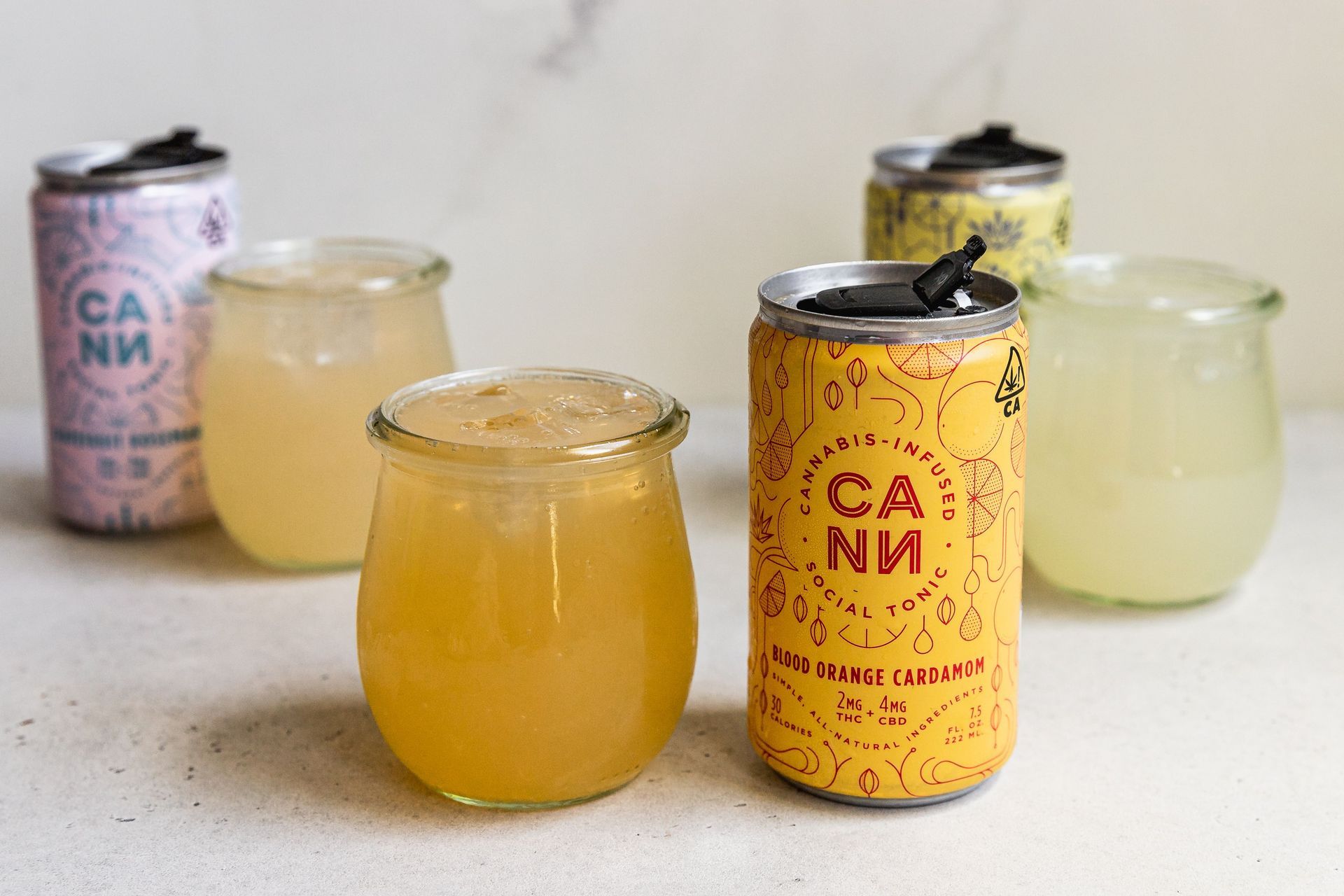
Cannabis beverages are typically best consumed within their labeled window and stored upright in a cool spot. Most canned cannabis drinks don't require refrigeration until opened, but they benefit from cooler storage the same way any canned beverage does. Once opened, treat them like a regular drink and finish within a day or two.
3. Storing Vapes, Concentrates, and Tinctures
Vape cartridges and disposables are sensitive to both heat and cold. Heat causes the oil to thin out and can lead to leaking, clogging, or uneven draws. Cold thickens the oil and can make a cart feel like it's not hitting properly — this is especially relevant during Minnesota winters when a cart left in a car overnight can get sluggish. The fix is simple: let a cold cart warm up in your pocket for a few minutes before using it. Store carts upright at room temperature when not in use.
Concentrates like wax, shatter, and live resin are best stored in a cool, dark place in their original containers. Many serious concentrate consumers refrigerate or even freeze concentrates for longer-term storage, though for products you're using regularly, room-temperature storage in a sealed silicone or glass container is fine. Avoid storing concentrates in areas with strong odors — the material can absorb surrounding smells over time.
Tinctures are among the most shelf-stable cannabis products when stored correctly. Keep the bottle upright, away from light and heat, and use the dropper without touching it to anything that could introduce contamination. Most tinctures list a best-by date — following that guidance is a reasonable approach even though potency degradation is gradual rather than sudden.
The investment you make at Frostbite is worth protecting with a little attention to storage. If you have questions about what a specific product needs, ask at the counter — the budtenders can point you toward the right humidity packs or containers to keep your purchase in top shape.

Jacob Affeldt
Owner
Frostbite Dispensary
Jacob Affeldt is the owner of Frostbite Dispensary in Roseville, MN. He opened Frostbite to bring a knowledgeable, community-first cannabis experience to the Twin Cities — and made history in February 2026 as the first non-tribal dispensary in Minnesota to sell locally grown cannabis flower. Jacob writes about Minnesota cannabis law, product sourcing, and what to look for when shopping at a dispensary.