

Cannabis and Pain Relief: What Minnesota Adults Should Know

July 22, 2026

Pain is one of the most common reasons adults in Minnesota are walking into a dispensary for the first time — or ordering delivery for the first time. Whether it's chronic back pain, arthritis, nerve pain, post-workout soreness, migraines, or the kind of general daily ache that accumulates over years of hard work, cannabis has become a serious option for a growing number of people who are looking for something that works better, or with fewer side effects, than what they've been using.


This guide covers what the research actually says about cannabis and pain, which products and cannabinoid profiles tend to be most effective, how to dose responsibly, and what to tell a Frostbite budtender so you leave with something worth trying.


Why People Use Cannabis for Pain

Cannabis has been used for pain management for thousands of years — it's one of the oldest documented medical applications of the plant. Modern research has started to catch up with that history, and while the science is still developing (largely because federal restrictions made clinical cannabis research difficult for decades), what exists is meaningful.


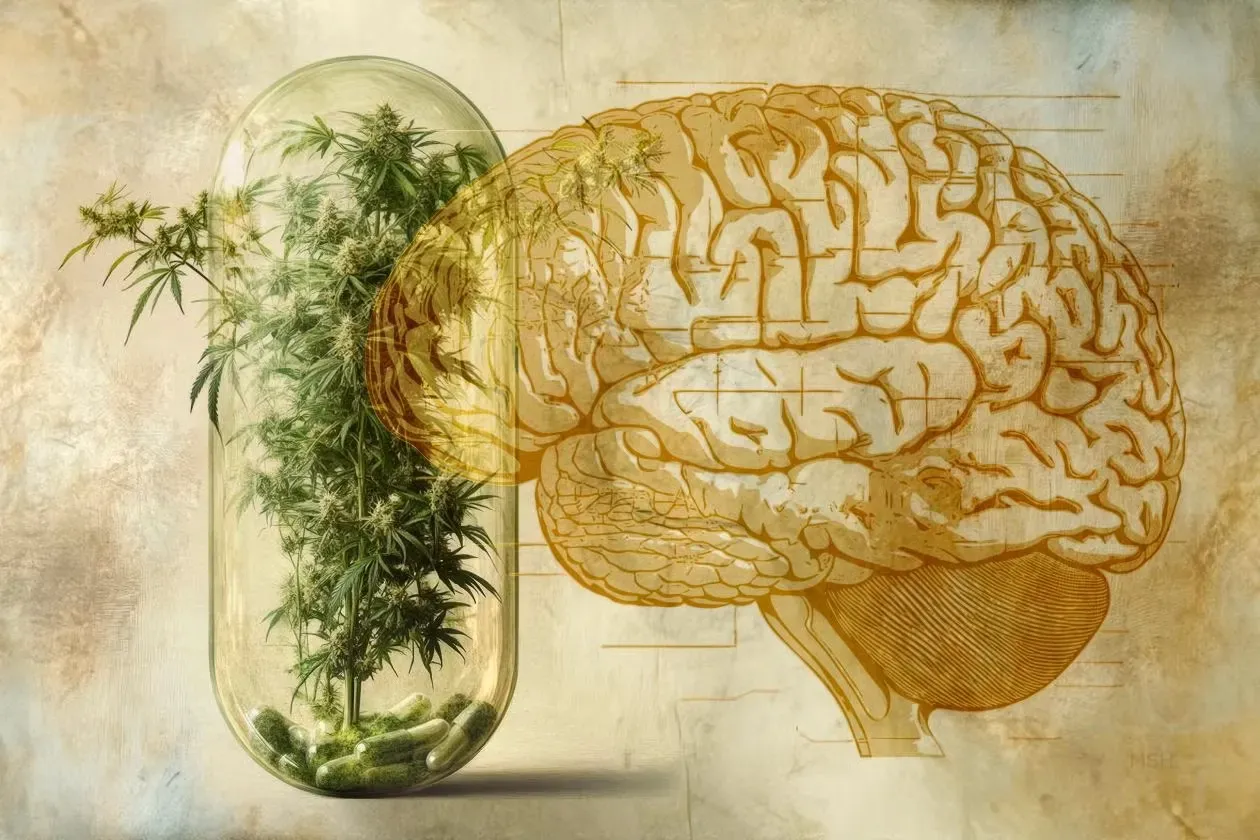
The endocannabinoid system — the network of receptors throughout your body and brain that THC and CBD interact with — plays a direct role in pain regulation. CB1 receptors, found primarily in the brain and nervous system, influence how pain signals are processed and perceived. CB2 receptors, found primarily in immune tissue, are involved in inflammation. Cannabis compounds interact with both.


The practical result: cannabis can influence pain through multiple pathways simultaneously — reducing inflammation at the source, altering how the nervous system processes pain signals, and changing the emotional and psychological relationship to pain (the "suffering" component that often accompanies chronic conditions). This multi-pathway action is part of why many patients find cannabis effective for pain types that are resistant to single-mechanism pharmaceuticals.


Types of Pain Cannabis Is Most Commonly Used For


Not all pain responds equally to cannabis. Here's where the evidence and consumer experience tends to be strongest:


Neuropathic pain — pain caused by nerve damage or dysfunction, including conditions like diabetic neuropathy, multiple sclerosis, spinal injury, and chemotherapy-related nerve pain. This is consistently the category with the strongest clinical evidence supporting cannabis. Neuropathic pain is notoriously difficult to treat with conventional medications, and multiple controlled trials have found cannabis significantly reduces neuropathic pain intensity.


Inflammatory pain — arthritis (both osteoarthritis and rheumatoid), inflammatory bowel conditions, and general inflammation-driven pain. CBD in particular has documented anti-inflammatory properties, and many consumers with arthritis report meaningful relief from topical CBD products applied directly to affected joints.

Musculoskeletal pain — back pain, muscle soreness, tension, and injury-related pain. This is probably the broadest category of cannabis pain use and includes everything from post-workout recovery to chronic lower back conditions. Results vary significantly by individual, but it's one of the most common use cases among Minnesota dispensary customers.


Migraine and headache — a growing body of anecdotal evidence and some preliminary research suggests cannabis can reduce migraine frequency and severity, particularly when used at onset. The terpene myrcene, common in many indica-dominant strains, may play a role here.


Cancer-related pain — cannabis is well-established as an adjunct therapy for cancer-related pain, nausea, and appetite loss. Minnesota's medical cannabis program originally focused heavily on this use case before recreational legalization expanded access.


Post-surgical and acute pain — cannabis is less commonly used for acute surgical pain but is increasingly used during the recovery phase to reduce reliance on opioids and manage residual pain.


THC vs. CBD for Pain: What's the Difference


Both THC and CBD have pain-relevant properties, but they work differently and suit different situations.


THC is the psychoactive compound in cannabis. For pain, THC works primarily by binding to CB1 receptors in the brain and altering pain perception — essentially changing how intensely the brain registers pain signals. It also has muscle-relaxing and sedating properties that can help with pain-related sleep disruption. THC is often more immediately effective for acute pain relief, but it comes with psychoactive effects that not everyone wants, particularly during the day.


CBD is non-intoxicating. It doesn't produce a high, but it has documented anti-inflammatory properties and interacts with pain pathways through mechanisms that don't involve direct CB1 receptor binding. CBD is often preferred for daytime pain management when cognitive function matters, and for inflammation-driven pain where the anti-inflammatory action is the primary need.


The combination tends to outperform either alone. Research on the "entourage effect" suggests that THC and CBD work synergistically — CBD appears to modulate some of THC's less desirable effects (anxiety, rapid heartbeat) while preserving or enhancing its pain-relieving properties. For most pain applications, a product with meaningful CBD alongside THC is worth seeking out before going with a pure high-THC option.


CBG and CBN are minor cannabinoids increasingly present on licensed Minnesota cannabis labels. CBG has documented anti-inflammatory properties. CBN has mild sedative effects that can help pain patients sleep. Products that combine these minor cannabinoids with THC and CBD may offer more comprehensive pain relief than single-cannabinoid options.


Best Product Formats for Pain Relief

The right delivery method for pain depends on what kind of pain you're treating, when you need relief, and how long you need it to last.


Topicals — Localized Pain Without Psychoactivity


Cannabis-infused creams, balms, salves, and patches are the only delivery method that provides localized pain relief without any psychoactive effect. THC and CBD in a topical formulation absorb through the skin and act on local cannabinoid receptors in the tissue — they don't reach the bloodstream in quantities sufficient to produce a high.


Topicals are excellent for: arthritis in specific joints, muscle soreness, localized inflammation, back pain with a clear anatomical location, and any situation where you want pain relief without any head effect. Apply directly to the affected area and repeat as needed.


Transdermal patches are a step up from standard topicals — designed to penetrate deeper and deliver cannabinoids into the bloodstream over several hours. These do produce some systemic effect and should be treated more like an edible in terms of dosing expectations.


Edibles — Long-Duration Whole-Body Relief


Edibles (gummies, chocolates, capsules) produce effects that last significantly longer than inhalation — typically 4 to 8 hours — which makes them well-suited for chronic pain that needs sustained coverage throughout the day or night. The trade-off is slower onset (45 minutes to 2 hours) and less precise dosing control once consumed.


For pain patients who need consistent coverage — particularly overnight or during a full workday — a moderate-dose edible taken once or twice daily can provide more reliable relief than repeated inhalation sessions.


Dosing for pain with edibles: Start at 5–10mg THC. Give it two full hours before assessing. Pain patients often find they need a somewhat higher dose than recreational consumers seeking a mild effect — but start low and work up.


Inhalation (Vapes and Flower) — Fast Onset for Acute Pain

When pain spikes — a migraine starting, a muscle spasm, acute back pain — fast onset is critical. Inhaled cannabis (vape or preroll) reaches the bloodstream within minutes and provides meaningful relief within 5–10 minutes of consumption. The trade-off is shorter duration: effects from inhalation typically last 1–3 hours.


For pain management, many consumers use inhalation for acute relief and edibles for sustained baseline coverage — a "rescue plus maintenance" approach familiar to anyone who has managed chronic pain with conventional medication.


Tinctures and Sublingual Products

Tinctures placed under the tongue absorb through the mucous membrane faster than edibles processed through the digestive system — onset can be as fast as 15–30 minutes. Duration falls between inhalation and edibles. A good middle-ground option for pain patients who want faster onset than a gummy but longer duration than a vape.


Strains and Terpene Profiles Worth Knowing

For flower and prerolls, the terpene profile matters as much as THC percentage when it comes to pain. These terpenes are specifically associated with pain-relevant effects:


Myrcene — the most abundant cannabis terpene. Associated with muscle relaxation, sedation, and analgesic properties. High-myrcene strains are generally the first recommendation for pain-focused consumers. Found in most indica-dominant strains.


Beta-caryophyllene — unique in that it binds directly to CB2 receptors (the inflammation-associated receptors), making it the only terpene with direct cannabinoid-like activity. Strong anti-inflammatory profile. Found in strains like OG Kush, GSC, and Sour Diesel.


Linalool — associated with pain relief and muscle relaxation, with some research suggesting direct analgesic properties. Also reduces anxiety, which is often a companion to chronic pain. Found in lavender and many indica strains.


Pinene — alpha-pinene may help counteract some cognitive effects of THC while preserving pain relief, making higher-pinene strains potentially useful for daytime pain management. Found in Jack Herer and similar strains.


Strains frequently mentioned by pain patients:

  • ACDC (high CBD, low THC) — inflammation and daytime pain
  • Harlequin (balanced CBD:THC) — functional pain relief without heavy sedation
  • Granddaddy Purple (indica, high myrcene) — evening/nighttime pain and sleep
  • OG Kush (hybrid, high caryophyllene) — stress-related pain, muscle tension
  • Blue Dream (hybrid) — moderate pain with functional daytime use


A Note on Cannabis vs. Opioids

Cannabis is not a substitute for opioids in cases of severe acute pain — the clinical evidence doesn't support that equivalence. What the evidence does support is cannabis as a meaningful complement to pain management that may allow some patients to use lower doses of opioids and other medications.


Several studies from states with legal cannabis markets have found meaningful reductions in opioid prescriptions and opioid-related hospitalizations following legalization. If you're managing pain with prescription medications and considering adding cannabis, discuss it with your prescribing physician first. Cannabis interacts with some medications (particularly blood thinners and certain antidepressants) and your doctor should be part of that conversation.


What to Tell Your Budtender

You don't need to arrive with a diagnosis or a medical chart. Here's what's useful to communicate:


"I'm dealing with [type of pain — back, joint, nerve, general]. I need it primarily [during the day / at night / around the clock]. I [am / am not] okay with psychoactive effects. I've [never used cannabis / used it occasionally / used it regularly]."


That's enough for a good budtender to point you toward the right product category, potency level, and format. Our team at Frostbite has these conversations regularly and is well-equipped to help you find a starting point.


Important Reminders

  • Cannabis is not FDA-approved for any specific pain condition. This guide is educational, not medical advice.
  • If pain is significantly affecting your quality of life, working with a physician alongside any cannabis use is the responsible path.
  • Minnesota law allows adults 21+ to purchase cannabis without a medical card. Patients with qualifying conditions may still benefit from the medical program for higher purchase limits and tax exemptions.
  • Start low and go slow, especially with edibles.

Come In and Let's Find What Works

Frostbite Dispensary

2218 County Rd D West Suite 200, Roseville, MN 55112

Open Daily: 10AM – 8PM (651) 440-9991 | info@frostbitedispensary.com

Browse our menu →

Order delivery →

Shop Cannabis Tinctures Roseville MN

View All View all

Frequently Asked Questions: Cannabis and Pain Relief in Minnesota


Can cannabis help with chronic pain? Cannabis interacts with the body's endocannabinoid system, which plays a direct role in pain regulation. Research — particularly for neuropathic pain — consistently shows cannabis can reduce pain intensity for many patients. It works through multiple pathways simultaneously: reducing inflammation, altering how the nervous system processes pain signals, and changing the psychological relationship to pain. Results vary by individual and pain type, and cannabis is not FDA-approved for any specific pain condition, but it is one of the most common reasons adults in Minnesota visit a licensed dispensary.


What is the best cannabis product for pain relief?

The best format depends on the type of pain and when you need relief. Topicals (creams, balms) are best for localized pain like arthritis in a specific joint — they provide relief without psychoactive effects. Edibles (gummies, capsules) are best for chronic pain requiring sustained 4–8 hour coverage. Vapes and prerolls are best for acute pain spikes where fast onset matters. Tinctures offer a middle ground with 15–30 minute onset and moderate duration. Many pain patients use a combination of formats.


Is CBD or THC better for pain?

Both have pain-relevant properties but work differently. THC alters how the brain perceives pain signals and is often more effective for acute relief, but it produces psychoactive effects. CBD has anti-inflammatory properties and is preferred for daytime use when cognitive function matters. Research suggests the combination outperforms either alone — products with meaningful CBD alongside THC tend to produce better pain outcomes than pure high-THC options. Minor cannabinoids like CBG (anti-inflammatory) and CBN (sleep-supporting) can add further benefit.


Can I use cannabis for pain without getting high?

Yes. Cannabis topicals — creams, balms, and salves applied directly to the skin — deliver localized pain relief without reaching the bloodstream in quantities sufficient to produce psychoactive effects. CBD-dominant products with very low THC are another option for consumers who want potential pain relief without intoxication. Ask a Frostbite budtender about our topical and high-CBD selections.


Does cannabis interact with pain medications?

Cannabis can interact with some medications, including blood thinners (like warfarin) and certain antidepressants. If you're managing pain with prescription medications and considering adding cannabis, discuss it with your prescribing physician before starting. This is particularly important if you're taking opioids — while cannabis may help reduce opioid reliance for some patients, the combination should be managed with medical guidance.


Do I need a medical card to buy cannabis for pain in Minnesota?

No. Any adult 21 or older with a valid government-issued ID can purchase cannabis at Frostbite Dispensary in Roseville without a medical card. Minnesota's adult-use recreational program is open to all qualifying adults. Patients with specific qualifying medical conditions may benefit from the medical cannabis program for higher purchase limits and potential tax exemptions — ask our team about the difference.


What cannabis strains are best for pain? Strains with high myrcene (muscle relaxation, analgesic properties), beta-caryophyllene (anti-inflammatory, binds CB2 receptors), and linalool (pain relief, anxiety reduction) tend to be most effective for pain. Commonly recommended strains include ACDC and Harlequin for daytime use with high CBD content, Granddaddy Purple for nighttime pain and sleep, and OG Kush for stress-related pain and muscle tension. Terpene profiles are more reliable predictors of pain-relevant effects than indica/sativa labels alone.

Jacob Affeldt

Owner

Frostbite Dispensary

Jacob Affeldt is the owner of Frostbite Dispensary in Roseville, MN. He opened Frostbite to bring a knowledgeable, community-first cannabis experience to the Twin Cities — and made history in February 2026 as the first non-tribal dispensary in Minnesota to sell locally grown cannabis flower. Jacob writes about Minnesota cannabis law, product sourcing, and what to look for when shopping at a dispensary.

Recommended Products

Picked for you

July 22, 2026
This guide covers everything you need to know about saving money on weed at Frostbite Dispensary in Roseville.
July 22, 2026
This guide covers everything a Minnesota cannabis shopper needs to know about edibles — what's available, how they work, how they differ from other formats, how to dose them correctly, and how to choose between gummies, chocolates, beverages, and other options on our Roseville menu.
June 24, 2026
This guide walks through every element of a Minnesota cannabis product label in plain English — so the next time you're standing at the counter at Frostbite (or shopping our menu online), you know exactly what you're looking at.
By Jacob Affeldt June 24, 2026
Something is shifting in how Minnesota adults think about unwinding at the end of the day. See our comparison of cannabis vs. alcohol.
By Jacob Affeldt June 24, 2026
We'll cover which strains and cannabinoid profiles tend to support a calmer experience, which ones to avoid if anxiety is your concern.
By Jacob Affeldt May 27, 2026
This post explains what Minnesota-grown cannabis means, why it tends to be higher quality than the alternative, and what to look for when you're shopping for locally sourced flower at a Twin Cities dispensary.
May 26, 2026
This guide covers what to look for in a dispensary near Little Canada, what the local options are, and why more and more north metro shoppers are choosing Frostbite Dispensary in Roseville as their go-to.

May 7, 2026
Cannabis delivery is here. Frostbite Dispensary now offers legal, licensed cannabis delivery to customers across Roseville and surrounding Twin Cities communities — bringing the same curated menu, knowledgeable service, and competitive pricing you expect in-store, straight to your door.
May 4, 2026
This guide is designed to give Minnesota cannabis shoppers a practical, realistic framework for dosing — one that reduces the chance of an uncomfortable first experience and helps you dial in what works for you over time.
May 4, 2026
This guide breaks down vapes and prerolls side by side — how they work, what to look for, how much they cost, and how to decide which one belongs in your MN cannabis routine.
Show More